AR inventory & scanning
Camera-based shelf counting and asset recognition with detection, tracking and classification running fully on-device — no cloud round-trip, no dead-zone failures.
- YOLO
- CoreML
- ByteTrack
Industrial-grade AR that survives real conditions: warehouses with bad lighting, job sites with no connectivity, retail floors with a thousand SKUs. We've been shipping AR since 2017 — before it was a slide in everyone's deck.
Trusted by teams at
AR is only useful when the computer vision underneath it is accurate and fast. We build both layers — the models and the experience.
Camera-based shelf counting and asset recognition with detection, tracking and classification running fully on-device — no cloud round-trip, no dead-zone failures.
Show the pool, machine or installation in place before it exists. Persistent anchoring, realistic materials and physical-scale accuracy that closes deals.
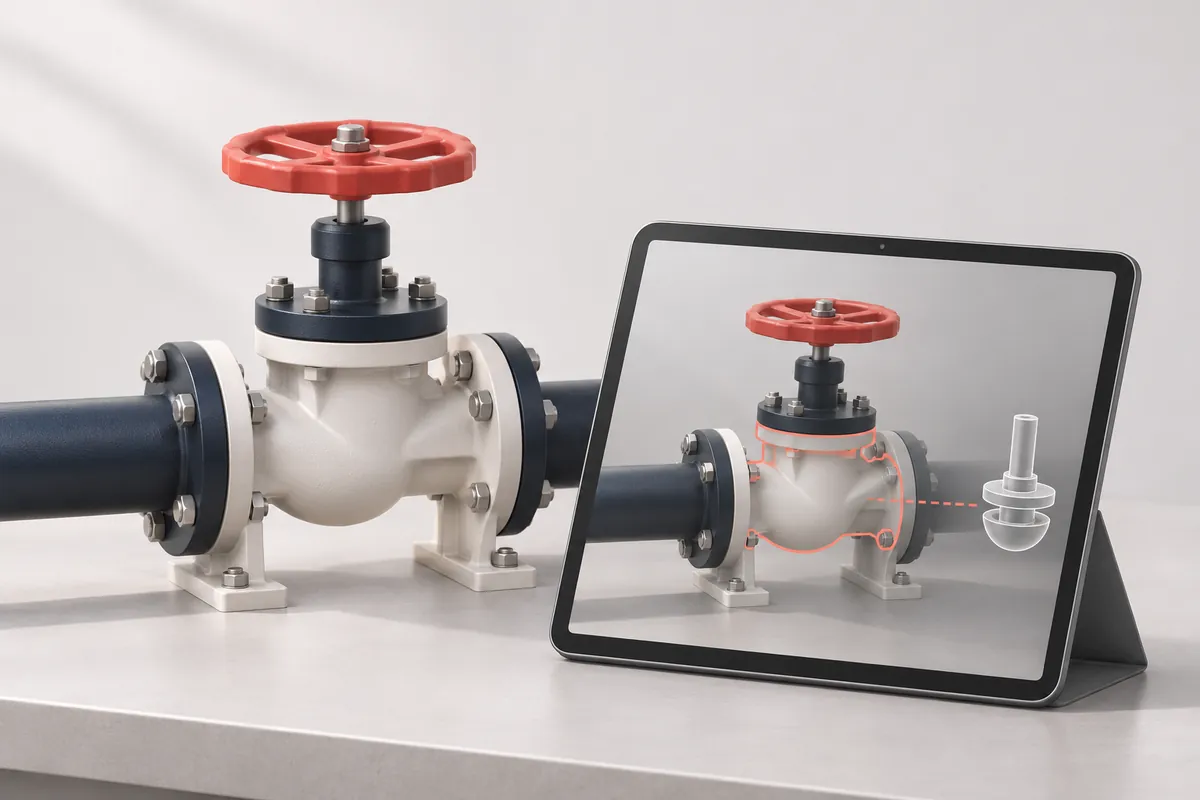
Overlay instructions, measurements and system data on the equipment a technician is looking at — cutting training time and error rates.
We package AR capabilities as an XCFramework or Android library your own developers integrate — with versioning, docs and support.
Quest and Vision Pro experiences where hands-free matters: inspection, training, guided assembly.
Browser-based AR for campaigns and product try-ons where an app install is one step too many.
Native iOS system running the full detection-tracking-classification pipeline on-device with an on-premise backend, built to serve a multi-tenant operation of ~30 retail clients from one architecture.
More case studies →Week one is spent on the riskiest technical question — can the model hit the accuracy bar on your real data? You know before you commit the budget.
We test on the actual hardware, in the actual environment, in iterative rounds. Lab demos don't count as progress.
Device provisioning, backend deployment, tenant onboarding and operator training. AR that gets used, not shelved.
Trade-show booth built around holographic displays, 3D product models and a companion app. The client reports it exceeded expectations.
Global VP of Marketing & Product, MotoRadAutomotive parts manufacturer · 501–1,000 employees · 2025Read the review on Clutch (opens in a new tab)VR hand tracking, interface design and a wearable-equipment proof of concept, delivered in weekly builds.
Former General Manager, Virtual Driver InteractiveTraining simulation company · $50K–$200K · since 2023Read the review on Clutch (opens in a new tab)An SMS assistant that logs field employees' call data straight into internal systems and ticketing. The client reports improved efficiency.
CEO, Thrive DataInformation technology · 1,001–5,000 employees · New YorkRead the review on Clutch (opens in a new tab)A mobile app that helps non-specialist health workers identify and refer cancer patients, piloted in Nigeria.
Co-founder, RegistaHealth technology · SeattleRead the review on Clutch (opens in a new tab)Augmented Reality Development by industryHealthcareConstructionFinanceEnergyRetail
A 30-minute scoping call with an engineer, not a salesperson. You leave with a straight answer.