Medical & surgical training
Procedure simulation with anatomical accuracy and haptic feedback — practicing on a headset instead of a patient. Our VR implant-training work is used by practicing surgeons.
- Unity
- haptics
VR earns its budget where the real thing is expensive, dangerous or impossible to repeat: training, rehearsal and walking through places and products that do not exist yet. We build simulations where the skill transfers — surgeons practice procedures, operators practice machines, teams practice emergencies.
Trusted by teams at
From medical simulation to industrial safety, the constant is fidelity where it matters: the hand movements, decision points and failure modes that define the real task.
Procedure simulation with anatomical accuracy and haptic feedback — practicing on a headset instead of a patient. Our VR implant-training work is used by practicing surgeons.
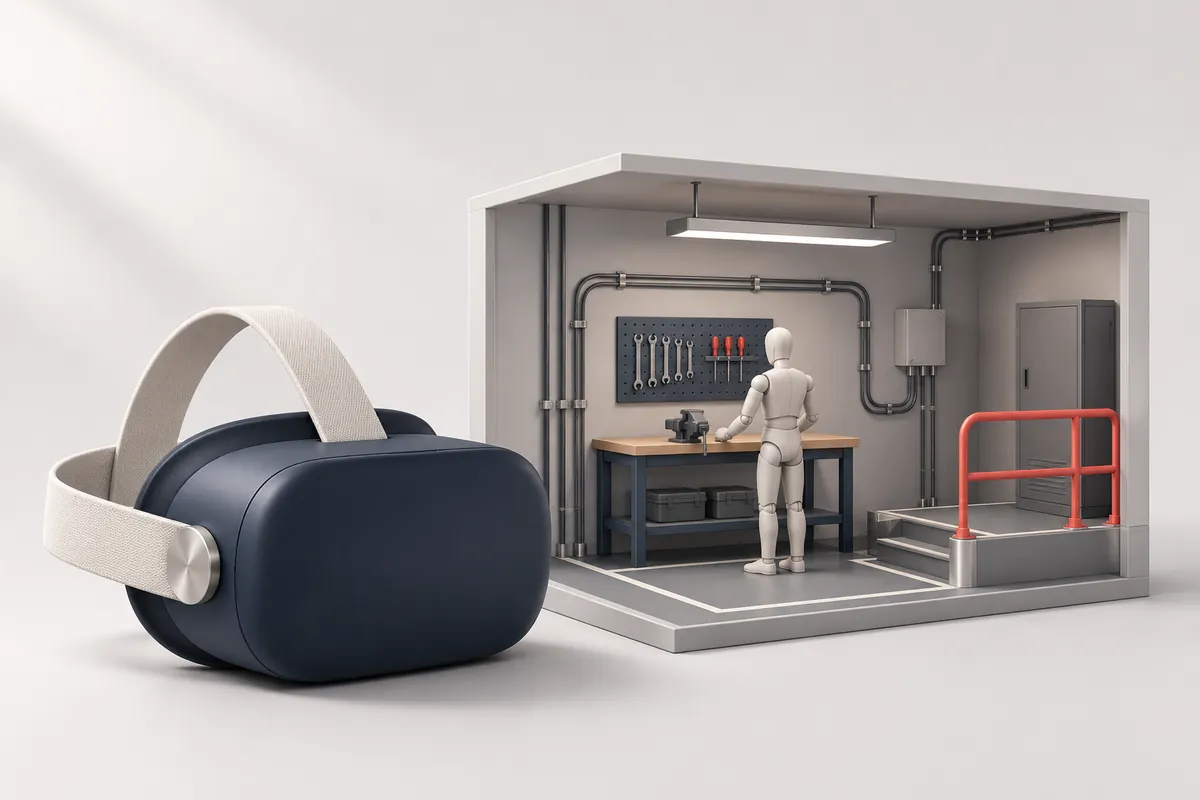
Heavy-equipment operation and maintenance procedures in VR — mistakes cost a restart, not a machine or a limb.
High-risk scenarios — fires, chemical events, evacuations — rehearsed repeatedly without exposing anyone to the hazard, with performance scoring per trainee.
Walkthroughs of spaces, vehicles and installations that don't exist yet — for sales, planning and stakeholder alignment.
Shared sessions where an instructor observes, intervenes and scores — plus analytics dashboards tracking cohort progress.
Quest, Vive, Vision Pro or PC-tethered — chosen by use case and deployment reality, not by what's newest.
A virtual reality program teaching the zygomatic dental implant procedure — one of the most complex in implant dentistry — giving surgeons hands-on practice without a patient in the chair.
More case studies →We break the real task down with your subject-matter experts and decide what must be simulated precisely versus what can be abstracted. This single step decides the budget.
Working prototypes go to your practitioners in weeks. Their corrections shape the simulation before the expensive polish, not after.
Headset fleet setup, content pipeline for new scenarios, and skill-transfer measurement so you can prove the ROI to whoever signed the PO.
Trade-show booth built around holographic displays, 3D product models and a companion app. The client reports it exceeded expectations.
Global VP of Marketing & Product, MotoRadAutomotive parts manufacturer · 501–1,000 employees · 2025Read the review on Clutch (opens in a new tab)VR hand tracking, interface design and a wearable-equipment proof of concept, delivered in weekly builds.
Former General Manager, Virtual Driver InteractiveTraining simulation company · $50K–$200K · since 2023Read the review on Clutch (opens in a new tab)An SMS assistant that logs field employees' call data straight into internal systems and ticketing. The client reports improved efficiency.
CEO, Thrive DataInformation technology · 1,001–5,000 employees · New YorkRead the review on Clutch (opens in a new tab)A mobile app that helps non-specialist health workers identify and refer cancer patients, piloted in Nigeria.
Co-founder, RegistaHealth technology · SeattleRead the review on Clutch (opens in a new tab)Virtual Reality Development by industryHealthcareConstructionFinanceEnergyRetail
A 30-minute scoping call with an engineer, not a salesperson. You leave with a straight answer.